The Irresistible Allure of Sicilian Cannoli: A Journey Through History and Culture
Few pastries capture the essence of a place quite like the cannoli. These iconic Sicilian delights, with their crisp, fried shells and creamy ricotta filling, are more than just a dessert; they are a flavorful narrative woven through centuries of history, cultural exchange, and culinary artistry. From their ancient origins on the sun-drenched island of Sicily to their status as a globally recognized symbol of Italian indulgence, the cannoli embodies a rich heritage that continues to captivate palates worldwide.
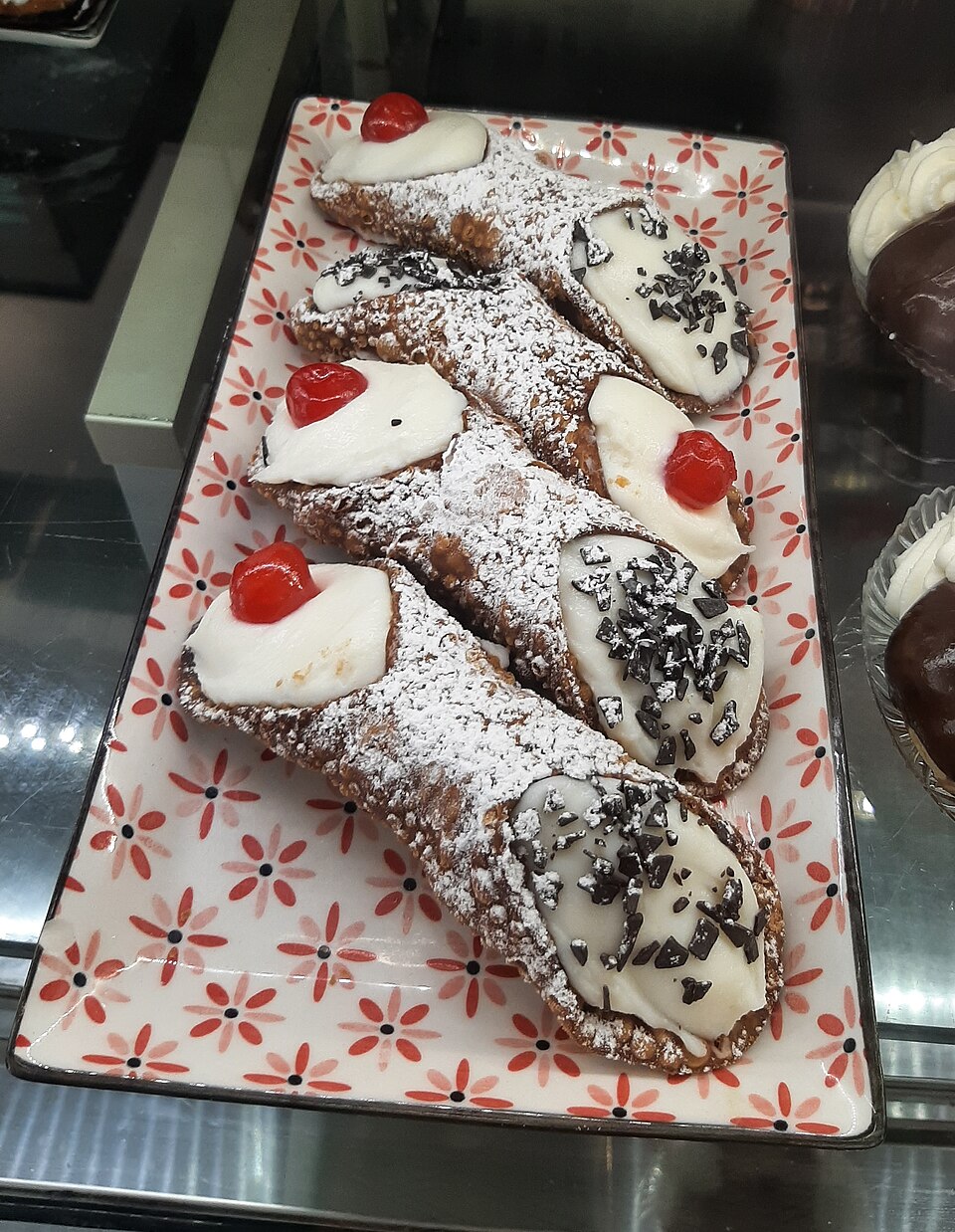
At its heart, a traditional cannolo (the singular form) is a masterpiece of contrasts: a crunchy, golden-brown tube enveloping a silken, sweet ricotta mixture. The name itself, derived from the Sicilian word cannolu, meaning "small tube," perfectly describes its characteristic cylindrical form, traditionally achieved by wrapping thin dough around reeds or metal tubes before frying to a perfect crispness. But to truly appreciate this beloved confection, one must delve into the fascinating story of its creation and evolution.
Ancient Roots and Culinary Evolution: From Arab Sicily to Monastic Kitchens
The tale of the cannoli begins in a surprising historical chapter: Sicily under Arab rule during the 9th century. Historians and culinary experts widely believe that these pastries evolved from earlier sweet preparations, heavily influenced by the sophisticated Middle Eastern culinary traditions brought by the Saracens. Innovations in cheese-making and the widespread use of sugar during this period are thought to have laid the groundwork for the unique ricotta-based filling that defines the cannoli today.
One particularly enchanting legend, brimming with local flavor and a touch of poetic romance, attributes the creation of the cannoli to the women in the harem of Caltanissetta. As the story goes, these women fashioned the tube-shaped pastries as a whimsical tribute to the virility of their emir, filling them with a rich, sensual, ricotta-based cream. While likely apocryphal, this legend speaks volumes about the pastry's early association with indulgence and perhaps, fertility.
Following Sicily's conversion to Christianity in the 11th century, the cannoli's journey took another significant turn. The art of its preparation transitioned into the quiet, cloistered environments of convents, particularly in Palermo. Here, generations of nuns meticulously perfected and safeguarded the ancient recipes. These cloistered sisters often sold their exquisite pastries through convent hatches, a practice that not only helped support their communities but also cemented the cannoli's place in Sicilian society and culinary tradition. This shift from a potentially secular, perhaps even hedonistic, origin to a monastic one highlights the pastry's incredible adaptability and enduring appeal across different cultural contexts.
Symbolism and Celebration: More Than Just a Sweet Treat
Deeply embedded in Sicilian culture, the cannoli transcends its role as mere dessert; it is rich with symbolism. Traditionally, they have been associated with themes of fertility and indulgence, echoing ancient Greek rites that predate even the island's Arab conquest. This symbolism is most prominently displayed during Carnival celebrations, the exuberant period of revelry and feasting that precedes the solemn observance of Lent. Preparing and sharing cannoli during Carnival evokes the island's long history of sweet confections linked to annual Christian festivals, serving as a delicious embodiment of pre-Lenten excess.
While the Carnival connection remains strong, cannoli are now enjoyed year-round, becoming a staple at family gatherings, celebrations, and simply as an everyday treat. Yet, every bite still carries that festive essence, a whisper of historical revelry and the joy of shared indulgence. Its presence on a dessert table is often a sign of celebration, inviting guests to partake in a tradition that spans millennia.
A Global Journey: How Cannoli Conquered the World
The late 19th and early 20th centuries marked a pivotal moment in the cannoli's history: its global spread. This journey was largely facilitated by waves of Sicilian emigrants who carried their culinary traditions, including cherished cannoli recipes, to new lands. The United States, in particular, became a vibrant hub where these pastries quickly rooted themselves within burgeoning Italian-American communities. Here, the cannoli evolved from a regional Italian pastry into an iconic dessert, synonymous with Italian-American cuisine.
As cannoli ventured beyond their Sicilian homeland, they naturally adapted to local tastes and available ingredients. Variations emerged, such as larger sizes to suit American preferences for more substantial desserts, and diverse fillings incorporating different creams or flavorings beyond the traditional ricotta. Despite these adaptations, the core essence of the cannoli—its distinctive crunchy shell and rich, creamy core—has been meticulously preserved, a testament to its enduring appeal and the strength of its culinary identity. To discover more about its global triumph, explore Beyond the Crunch: How Cannoli Conquered the World from Sicily.
The Art of the Cannolo: Deconstructing the Perfect Pastry
Understanding the components of a well-made cannolo reveals the artistry behind its simplicity. The distinctive tube-shaped shell, typically measuring between 3 to 6 inches, is crafted from a thin pastry dough that is wrapped around metal tubes before being fried until golden-brown. This process creates a ridged exterior and a blistered, honeycomb-like crunch that is both delicate and sturdy at room temperature. These shells vary in size, from small, finger-length cannulicchi perfect for a delicate bite, to larger, more substantial versions.
In stark contrast to the shell's crispness is the interior: a soft, creamy filling that is traditionally ricotta-based. This mixture, often enhanced with sugar, boasts a silky-smooth texture that, in a perfectly filled cannolo, might slightly ooze upon biting, creating a delightful sensory interplay. Common additions to the ricotta include miniature chocolate chips, finely chopped candied citron, or crushed pistachios, each contributing a unique flavor and textural dimension that complements the sweet cream. For a deeper dive into its construction, see The Iconic Cannoli: Unpacking Sicily's Tube-Shaped Ricotta Delight.
Visually, cannoli are often finished with a light dusting of powdered sugar, which provides a subtle white coating that highlights the shell's warm hue. The open ends are typically garnished with vibrant elements like chopped pistachios, more chocolate chips, or a candied cherry, adding a pop of color and an additional textural crunch. A crucial practical tip for enjoying cannoli at their best: they should always be filled just before serving. This prevents the creamy ricotta from softening the crisp shell, ensuring that delightful contrast between crunch and cream in every single bite.
Conclusion
From its mysterious origins in ancient Sicily, influenced by the culinary innovations of the Arab world, to its revered place in monastic tradition and its global journey across continents, the cannoli stands as a testament to the power of food to tell a story. It is a symbol of cultural resilience, a beacon of festive indulgence, and a masterpiece of balanced textures and flavors. Each bite offers a taste of Sicily's complex history, its vibrant culture, and its enduring passion for exquisite food. The cannoli is not merely a pastry; it is an edible legacy, continually inviting new generations to partake in its sweet, crunchy, and utterly unforgettable charm.
