The Iconic Cannoli: Unpacking Sicily's Tube-Shaped Ricotta Delight
Few desserts capture the heart and palate quite like the **cannoli**. This quintessential Sicilian pastry, a masterpiece of contrasts, offers a symphony of textures and flavors in every bite: a delightfully crisp, golden-brown shell giving way to a rich, velvety-smooth ricotta filling. More than just a sweet treat, the **cannoli** is a culinary icon deeply woven into the fabric of Sicilian history and culture, its very name, derived from the Sicilian word cannolu, meaning "small tube," perfectly describing its distinctive cylindrical form. Join us as we delve into the world of this beloved delicacy, exploring its ancient origins, intricate anatomy, and journey to global fame.
The Anatomy of a Perfect Cannoli: A Symphony of Shell and Filling
At the heart of every authentic **cannoli** experience lies the interplay between its two primary components: the shell and the filling. Understanding these elements is key to appreciating this revered pastry.
The Golden Shell: A Triumph of Crispness
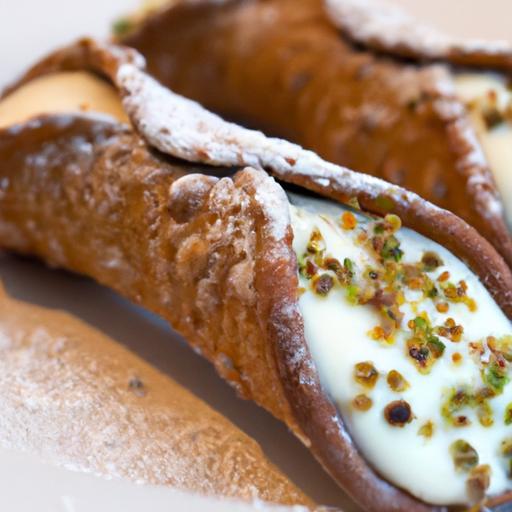
The **cannoli** shell is far from a mere container; it's an integral part of the sensory experience. Crafted from a delicate pastry dough, thinly rolled and traditionally shaped around metal tubes (or historically, river reeds) before being deep-fried to perfection, it achieves a remarkable transformation. The result is a hollow cylinder, typically measuring between 3 to 6 inches, with a signature ridged exterior. This frying process imbues the shell with a magnificent crispness, a golden-brown hue, and a unique blistered, honeycomb-like texture that shatters delicately with each bite. Despite its fragility, a well-made shell remains surprisingly sturdy at room temperature, providing the essential structural integrity for its creamy counterpart. For those curious about the smaller, often finger-length versions, these delightful miniatures are affectionately known as cannulicchi.
The Luscious Filling: Ricotta at its Best
In stark contrast to the shell's crunch is the **cannoli**'s luxurious interior. The traditional filling is a sweet, creamy mixture based on fresh ricotta cheese, usually from sheep's milk, which offers an unparalleled richness and silky smooth texture. This exquisite cheese is blended with sugar, transforming it into a velvety core that subtly oozes upon biting, creating a delightful sensory interplay. While the classic ricotta base is paramount, the filling is often elevated with a variety of tantalizing additions. Common enhancements include dark chocolate chips, vibrant candied citron, or finely chopped pistachios, which add bursts of color, flavor, and texture. Visually, a finished **cannoli** is often dusted with a fine coating of powdered sugar, highlighting the shell's warm tones, while its open ends are frequently garnished with additional pistachios, chocolate chips, or even candied cherries to enhance its aesthetic appeal and provide a final touch of indulgence.
A Journey Through Time: The Ancient Roots of Cannoli
The history of the **cannoli** is as rich and layered as its filling, tracing its lineage back to a fascinating confluence of cultures on the island of Sicily.
From Arab Influence to Monastic Seclusion
The origins of the **cannoli** are generally attributed to Sicily during the period of Arab rule, specifically in the 9th century. It's believed to have evolved from earlier sweet preparations, heavily influenced by the sophisticated Middle Eastern culinary traditions that brought innovative techniques in cheese-making and the generous use of sugar to the Mediterranean. This period laid the groundwork for many of Sicily's iconic sweets.
One captivating legend attributes the creation of the **cannoli** to women within a harem in Caltanissetta. They are said to have fashioned these pastries as a tribute to their emir, blending dough tubes with a sensual, ricotta-based cream. Regardless of the veracity of this tale, it underscores the pastry's early association with indulgence and celebration.
By the Middle Ages, following Sicily's conversion to Christianity in the 11th century, the **cannoli** found a new home and purpose within monastic traditions. Cloistered nuns in Palermo's convents took on the mantle of perfecting and safeguarding these cherished recipes, often passing them down through generations. These skilled nuns would sometimes sell the pastries through convent hatches, providing vital support for their communities. This era cemented the **cannoli**'s place not just as a dessert, but as a symbol of tradition and community.
Cultural Significance: A Symbol of Fertility and Festivity
Deeply embedded in Sicilian culture, the **cannoli** symbolizes fertility and indulgence. Traditionally, they are prepared and enjoyed with great enthusiasm during Carnival celebrations – the festive period of revelry leading up to Lent. This tradition evokes ancient Greek rites and connects the pastry to the island's long history of sweet confections linked to annual Christian festivals. The seasonal nature of its traditional consumption highlights its significance as a celebratory food, a delicious marker of time and tradition. To delve deeper into its profound cultural impact, read The Rich History and Cultural Significance of Sicilian Cannoli.
From Sicilian Shores to Global Icon: The Cannoli's World Tour
The **cannoli**’s journey from a regional Sicilian delicacy to an internationally recognized dessert is a testament to its irresistible appeal and the power of emigration.
The Diaspora's Sweet Ambassador
The late 19th and early 20th centuries marked a pivotal period for the **cannoli**'s global spread. As waves of Sicilian emigrants sought new opportunities, particularly in the United States, they brought their cherished culinary traditions with them. The **cannoli** quickly became an iconic dessert within Italian-American communities, a comforting taste of home that helped preserve cultural identity in a new land.
As it traveled, the **cannoli** naturally evolved. While preserving its fundamental elements – the crunchy shell and ricotta core – variations began to emerge, adapting to local tastes and available ingredients. This included changes in size, with larger versions often becoming popular, and a diversification of fillings beyond the strictest traditional boundaries. This evolution showcases how culinary traditions can maintain their essence while embracing new influences, becoming more accessible and beloved by a wider audience. Explore this fascinating expansion further in Beyond the Crunch: How Cannoli Conquered the World from Sicily.
Mastering the Cannoli Experience: Tips for Enjoyment and Authenticity
To truly appreciate the **cannoli**, there are a few insights that can elevate your experience, whether you're enjoying one from a bakery or attempting to make them at home.
The Golden Rule: Fill Just Before Serving
Perhaps the most crucial tip for enjoying a **cannoli** is to ensure it is filled with its creamy ricotta just before serving. This is paramount to preserving the shell's distinctive crispness. A shell filled too early will absorb moisture from the ricotta, becoming soggy and losing its quintessential crunch, which is a major part of the **cannoli**'s charm. If you buy unfilled shells, store them in an airtight container at room temperature until ready to fill.
Quality Ingredients Make a Difference
The magic of a great **cannoli** lies in the quality of its components. Seek out fresh, high-quality ricotta cheese, ideally sheep's milk ricotta for the most authentic flavor. The chocolate chips should be good quality, and candied fruits or pistachios should be fresh and vibrant. These small details contribute significantly to the overall flavor profile.
Pairing and Presentation
A **cannoli** pairs wonderfully with a strong espresso or a sweet dessert wine like Marsala or Moscato. For presentation, a simple dusting of powdered sugar is elegant, and garnishing the ends with chopped pistachios, miniature chocolate chips, or a single candied cherry adds a professional and appealing touch. Don't be afraid to experiment with your garnishes – a little orange zest can add a delightful citrus note to the filling, or different chopped nuts could provide a unique twist.
The **cannoli** stands as a magnificent testament to Sicilian culinary artistry, a humble yet sophisticated pastry that has charmed palates across centuries and continents. From its ancient origins steeped in diverse cultural influences to its beloved status as a global dessert, it represents far more than just fried dough and sweet cream. It's a symbol of celebration, a connection to heritage, and an enduring delight. So, the next time you encounter this iconic tube-shaped treat, take a moment to savor not just its exquisite flavors and textures, but also the rich history and passion encapsulated within every crunchy bite of the unforgettable **cannoli**.
