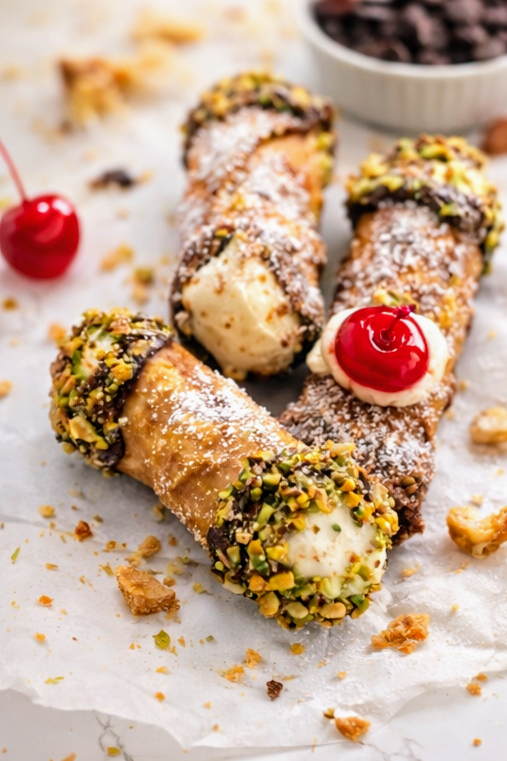
From the sun-drenched streets of Palermo to bustling bakeries in New York, the mere mention of cannoli evokes a universal sigh of delight. This iconic Sicilian pastry, a symphony of crunch and cream, has transcended its humble island origins to become one of the world's most beloved desserts. But what exactly is a cannoli, and how did this tube-shaped indulgence conquer palates across continents?
At its heart, a cannoli is a masterpiece of contrasts: a crisp, golden-brown shell crafted from fried dough, expertly shaped into a hollow cylinder, embracing a lavish filling of sweet, creamy ricotta cheese. Often, this rich core is enhanced with vibrant additions like chocolate chips, finely chopped pistachios, or jewel-toned candied citron, creating a multi-textured and flavorful experience that is truly unforgettable.
The Heart of Sicily: A Journey Through Time
The story of the cannoli is as rich and layered as its filling, deeply entwined with the vibrant history of Sicily itself. Its origins trace back to the 9th century, during the island's Arab rule. Historians and culinary enthusiasts alike believe that these early sweet preparations were influenced by the sophisticated Middle Eastern culinary traditions brought by the Saracens, particularly their innovations in cheese-making and the generous use of sugar.
One enchanting legend attributes the creation of cannoli to the women in the harems of Caltanissetta. They are said to have fashioned these cylindrical pastries as a tribute to the virility of their emir, blending the dough tubes with a sensual, ricotta-based cream. While a charming tale, it highlights the early association of the dessert with indulgence and festivity.
As Sicily transitioned from Arab rule to Christianity in the 11th century, the cannoli found a new home and purpose within monastic traditions. Cloistered nuns in Palermo's convents took up the mantle of perfecting and safeguarding these recipes. Passed down through generations, these convent-made pastries were often sold through discreet hatches, providing a vital source of income for their communities while preserving a culinary art form. To truly appreciate the depth of its journey, one must delve into The Rich History and Cultural Significance of Sicilian Cannoli, where its ancient roots and evolving symbolism are explored in detail.
Deeply embedded in Sicilian culture, cannoli became symbolic of fertility and indulgence, traditionally prepared and enjoyed during Carnival celebrations – the exuberant period of revelry preceding Lent. This tradition evokes ancient Greek rites and the island's long history of sweet confections linked to annual Christian festivals, underscoring its profound cultural significance.
Anatomy of a Masterpiece: The Perfect Cannoli
What makes a cannoli truly exceptional is the delicate balance between its two primary components: the shell and the filling. The distinctive tube-shaped shell, typically measuring between 3 to 6 inches, is a marvel of pastry engineering. It begins with a thin sheet of dough, traditionally enriched with ingredients like wine (often Marsala), a touch of sugar, and sometimes cocoa, which is then wrapped meticulously around metal tubes or, in earlier times, reeds.
The Shell: A Symphony of Crunch
Once shaped, these dough-wrapped tubes are deep-fried to perfection, transforming into a crisp, golden-brown exterior. The frying process gives the shell its characteristic blistered, honeycomb-like crunch – a texture that is both delicate and remarkably sturdy. A well-made shell should maintain its integrity, offering a satisfying snap with every bite, creating a delightful contrast with the smooth interior. Its ridged exterior not only adds to its visual appeal but also provides textural interest.
The Filling: A Dream of Ricotta
The heart of the cannoli is its creamy filling, almost exclusively made from fresh ricotta cheese. For an authentic taste, sheep's milk ricotta is preferred, known for its rich flavor and incredibly smooth texture. This fresh cheese is meticulously blended with sugar to create a sweet, velvety mixture. The true artistry, however, lies in the additions. Common enhancements include:
- Chocolate Chips: Adding pockets of bittersweet delight.
- Candied Citron: Providing a subtle, fragrant citrus note.
- Chopped Pistachios: Offering a vibrant green hue and a nutty crunch, often used to garnish the open ends.
The interior should be silky smooth, offering a melt-in-your-mouth experience that may slightly ooze upon biting, further enhancing the sensory journey. For a closer look at what makes this dessert so irresistible, explore The Iconic Cannoli: Unpacking Sicily's Tube-Shaped Ricotta Delight, which delves deeper into its structural and textural perfection.
Visually, cannoli are frequently dusted with a fine layer of powdered sugar, providing a subtle white coating that highlights the shell's warm, golden hue. The open ends are almost always garnished, adding splashes of color and extra texture, making each pastry a miniature work of art.
From Island Delicacy to Global Icon: The Cannoli's World Tour
The cannoli truly began its global ascent in the late 19th and early 20th centuries, carried across oceans by waves of Sicilian emigrants. As these resilient communities sought new lives, particularly in the United States, they brought with them their cherished culinary traditions, including their beloved pastries. The cannoli quickly became an iconic dessert within Italian-American communities, a delicious taste of home that symbolized heritage and celebration.
As it journeyed, the cannoli also evolved, adapting to local tastes and available ingredients. Variations emerged, such as larger sizes to suit American appetites, and diverse fillings beyond the traditional, incorporating ingredients like mascarpone or different flavorings. Yet, through all these adaptations, the essence remained: the distinctive crunchy shell and the luscious ricotta core. Today, cannoli can be found in bakeries and restaurants worldwide, a testament to its enduring appeal and its ability to connect people to a rich cultural past.
Crafting Your Own Cannoli Experience: Tips for the Enthusiast
Whether you're making them from scratch or seeking out the best from a local patisserie, understanding what makes a great cannoli can elevate your experience. Here are some practical tips:
- The Ricotta is Key: Always opt for fresh, high-quality ricotta, preferably sheep's milk ricotta if available. It's crucial to drain the ricotta thoroughly for several hours, or even overnight, to remove excess moisture. This prevents a watery filling and ensures a creamy, stable texture.
- Freshly Fried Shells: The magic of a cannoli lies in its crunch. Freshly fried shells are paramount. If buying pre-made shells, ensure they are crisp and have not gone stale or absorbed moisture.
- Fill Just Before Serving: This is perhaps the most important rule. Fill your cannoli no more than an hour or two before serving. Filling them too early will cause the creamy ricotta to soften the crisp shell, turning it soggy – a culinary tragedy!
- Mind the Frying Temperature: If making shells at home, maintain a consistent oil temperature (around 350-375°F or 175-190°C). Too cool, and the shells will be greasy; too hot, and they'll brown too quickly without becoming crisp.
- Experiment with Garnishes: While pistachios, chocolate chips, and candied cherries are classic, don't shy away from experimenting with finely grated orange zest, a dusting of cinnamon, or a drizzle of dark chocolate for a gourmet touch.
- Storage Savvy: Store unfilled shells in an airtight container at room temperature. Store the ricotta filling separately in the refrigerator. Assemble only when ready to enjoy.
The pleasure of a cannoli extends beyond its taste; it's an experience – a journey through history, a celebration of texture, and a testament to the simple elegance of Sicilian confectionery. Each bite offers a glimpse into the heart of Sicily, a tradition lovingly preserved and shared across the globe.
From its mysterious origins in Arab Sicily to its careful preservation in convent kitchens, and finally, its triumphant spread across the globe, the cannoli remains a powerful symbol of heritage and culinary artistry. More than just a dessert, it's a testament to the enduring power of food to connect us to culture, history, and to each other. So, the next time you bite into that perfectly crisp shell and savor the sweet, creamy filling, remember the long and winding journey this exquisite Sicilian pastry took to conquer the world, one delicious crunch at a time.
